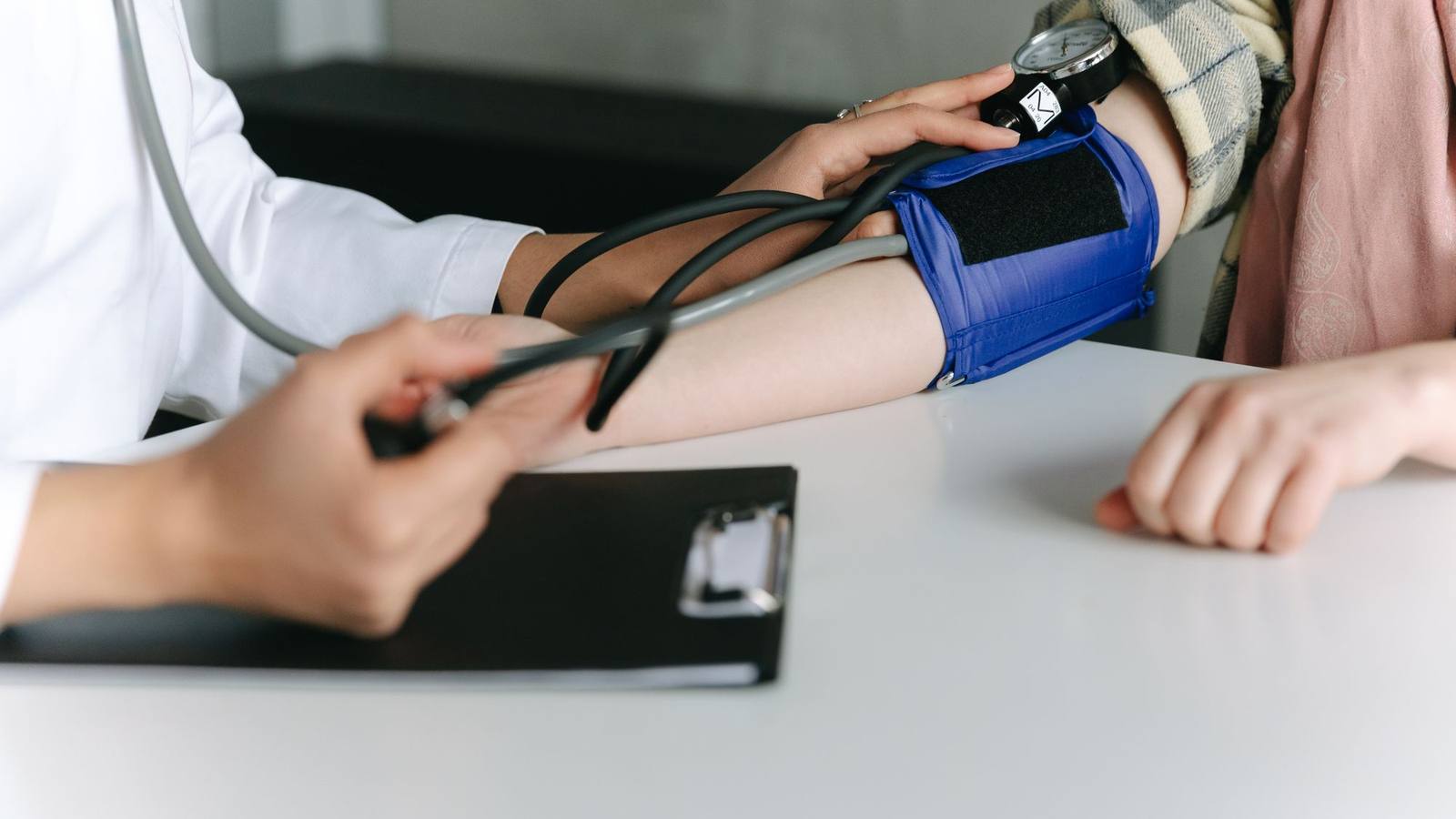
An offshore medical is a fitness-to-work assessment that you must pass before you work on an offshore oil and gas installation. In the UK the standard is the OEUK medical, carried out by a doctor on the register of Offshore Energies UK (OEUK, the industry body formerly known as Oil & Gas UK, so many people still say “OGUK medical”). OEUK keeps a list of registered doctors in the UK and overseas. By mutual agreement, a standard OEUK certificate is generally accepted in Norway and the Netherlands. In other countries, including Australia, the country, employer or installation operator decides which medical it accepts.
This guide explains what the OEUK medical covers, how to find a registered doctor (including outside the UK), how employers check a certificate, and what to expect in Norway and Australia. It is general information, not medical advice. Always ask your employer which certificate it needs before you book.
Who needs an offshore medical?
OEUK says industry policies require offshore workers to be regularly assessed by a doctor to make sure they are fit for their working environment (OEUK). In practice you will be asked for a valid offshore medical:
- before your first trip offshore, usually as part of pre-employment checks;
- before offshore safety training: OPITO’s BOSIET standard says you need an offshore medical certificate, or you complete medical screening at the training centre (OPITO);
- again before your certificate expires, for as long as you work offshore.
Offshore medical vs ENG1 seafarer medical
The ENG1 is a different certificate. It is the UK seafarer medical, needed by anyone working on a merchant ship as their normal place of work and for any UK certificate of competency. The UK government says you do not need an ENG1 if you are employed on an offshore installation while it is on its working station (GOV.UK). So platform and rig workers need the offshore medical, while crew on vessels (supply ships, crew transfer vessels, survey ships) usually need an ENG1. The ENG1 fee is set in UK regulations at £115, and if you are employed in the UK your employer pays it (GOV.UK).
Some marine and subsea roles need both. Check each subsea and marine job ad.
What the OEUK medical covers
OEUK publishes the standard in its Medical Guidelines; the current version is Issue 8.2, dated August 2026. OEUK describes it as “the definitive standard for assessing medical fitness to work offshore” on the UK continental shelf. It sets out (OEUK):
- the medical examination requirements;
- fitness criteria and how specific medical conditions are assessed;
- considerations for particular employment groups, such as people working on normally unmanned installations;
- fitness-to-train assessments for offshore survival training.
The guidelines follow a risk-based approach: the doctor considers your health against the demands of offshore work and emergencies, not just a checklist (OEUK). Registered doctors must have their audiometer calibrated within the past year to join the register, so expect a hearing test (OEUK FAQ). The detailed test list is in the guidelines, which are sold to the public and free to OEUK member companies.
If you fail or get a restricted certificate
OEUK says the examining doctor should fully explain the guidelines and why you do not meet them. If you think the doctor did not follow the guidelines, you can contact the OEUK Medical Adviser first. If that does not resolve it, a review can be arranged in which three other medical examiners look at your case (OEUK FAQ).
Some certificates are restricted. OEUK mentions location-specific certificates, valid only for installations agreed with the operator (OEUK FAQ). A restricted certificate limits where you can work, so tell any new employer.
How to find an OEUK registered doctor
OEUK runs a public list of registered doctors, with a search for UK doctors and a separate list of overseas doctors (OEUK). To join, doctors must:
- know the offshore environment or a similar remote working environment;
- complete a one-day training programme in offshore medical assessment;
- be able to follow the risk-based approach of the guidelines (OEUK).
Doctors outside the UK must show current registration with their own national medical regulator (OEUK FAQ). That is why you can take an OEUK medical in many countries: searches like “OGUK medical Kochi” or “OGUK medical near me” are best answered by OEUK’s own doctor list, not by agency adverts.
OEUK medical cost
OEUK does not set the price you pay. It charges doctors a registration fee (£475 plus VAT in the first year, then £125 plus VAT a year), but each clinic sets its own fee for your examination (OEUK FAQ). Some employers pay for the medical for their own staff. If you pay yourself, compare clinics on OEUK’s list and ask what is included.
How employers check an OEUK certificate
OEUK says anyone checking an OEUK medical certificate should (OEUK FAQ):
- Look up the doctor on OEUK’s list of medical examiners.
- Check that the doctor is listed at the clinic or location shown on the certificate.
- Contact OEUK, which can confirm whether a doctor has moved, retired or left the list since the certificate was issued.
- If a date, name or other detail looks wrong, contact the issuing doctor or clinic directly, using the contact details on the certificate.
OEUK says no other verification checks should be regarded as authoritative. A certificate from a doctor who is not on the list will not pass an employer’s check. Be wary of anyone selling “OGUK certificates” without an examination; for the wider warning signs, see our guide to avoiding recruitment scams.
Norway: offshore medical rules
Norway has its own offshore health certificate rules for the Norwegian continental shelf. For workers coming from the UK, OEUK says that by mutual agreement a standard OEUK medical certificate will generally be accepted in Norway and the Netherlands. Location-specific and restricted OEUK certificates are not covered by this agreement (OEUK FAQ).
If you live in Norway or are hired by a Norwegian employer, your employer will tell you which Norwegian health certificate you need and where to get it. Ask before your first trip. Browse jobs in Norway (64 open energy jobs on RigJobsDirect on 16 October 2026) and Stavanger.
Australia: offshore medical rules
We could not find a single national offshore medical certificate for Australia set by an official body. OEUK says acceptance of its certificate outside the UK is “entirely at the discretion of the country, employer or installation operator concerned” (OEUK FAQ). So in Australia, ask the operator or contractor which medical it requires and which doctors it accepts. You may also be asked for drug and alcohol testing before an offshore or FIFO role.
For visas, rosters and white cards in Australia, see our guide to FIFO and oil and gas jobs in Australia. There were 331 energy jobs in Australia on RigJobsDirect on 16 October 2026.
Gulf, Asia and other regions
The same principle applies: the country, employer or operator decides. Some may accept an OEUK medical and some may ask for their own, so ask before you book. Our offshore safety certificates guide covers the training side for the Gulf.
Offshore wind
The wind industry’s GWO training does not set any medical requirement; GWO says the employer decides which medical examinations you need (GWO Help Centre). Ask early which medical your wind employer needs. See our guide to GWO training and moving to offshore wind.
Checklist before you book a medical
- Ask the employer which certificate it accepts (OEUK, ENG1, a national certificate, or its own).
- Find a doctor on the OEUK list if you need an OEUK medical, in the UK or overseas.
- Bring your ID and details of your medical history and medicines.
- Keep the certificate and its expiry date with your training records, and book renewal in good time.
- Do not buy a certificate without an examination. Employers check the doctor against OEUK’s list.
Frequently asked questions
Is the OGUK medical the same as the OEUK medical?
Yes. Oil & Gas UK became Offshore Energies UK (OEUK), and the offshore medical standard is now published as the OEUK Medical Guidelines. People still search for “OGUK medical”.
Where can I get an OEUK medical outside the UK?
OEUK publishes a list of registered overseas doctors as well as UK doctors. Only a doctor on that list can issue a valid OEUK certificate.
Is an OEUK medical accepted in Norway?
By mutual agreement, a standard OEUK medical certificate will generally be accepted in Norway and the Netherlands, according to OEUK. Location-specific and restricted certificates are not covered.
Do I need an ENG1 or an offshore medical?
If you work on an offshore installation, you need the offshore medical; the UK government says you do not need an ENG1 for work on an offshore installation at its working station. If you work on a ship, you usually need an ENG1.
How can an employer check my OEUK certificate?
By checking that the doctor is on OEUK’s list at the clinic named on the certificate, and contacting OEUK or the clinic if anything looks wrong. OEUK says no other check is authoritative.