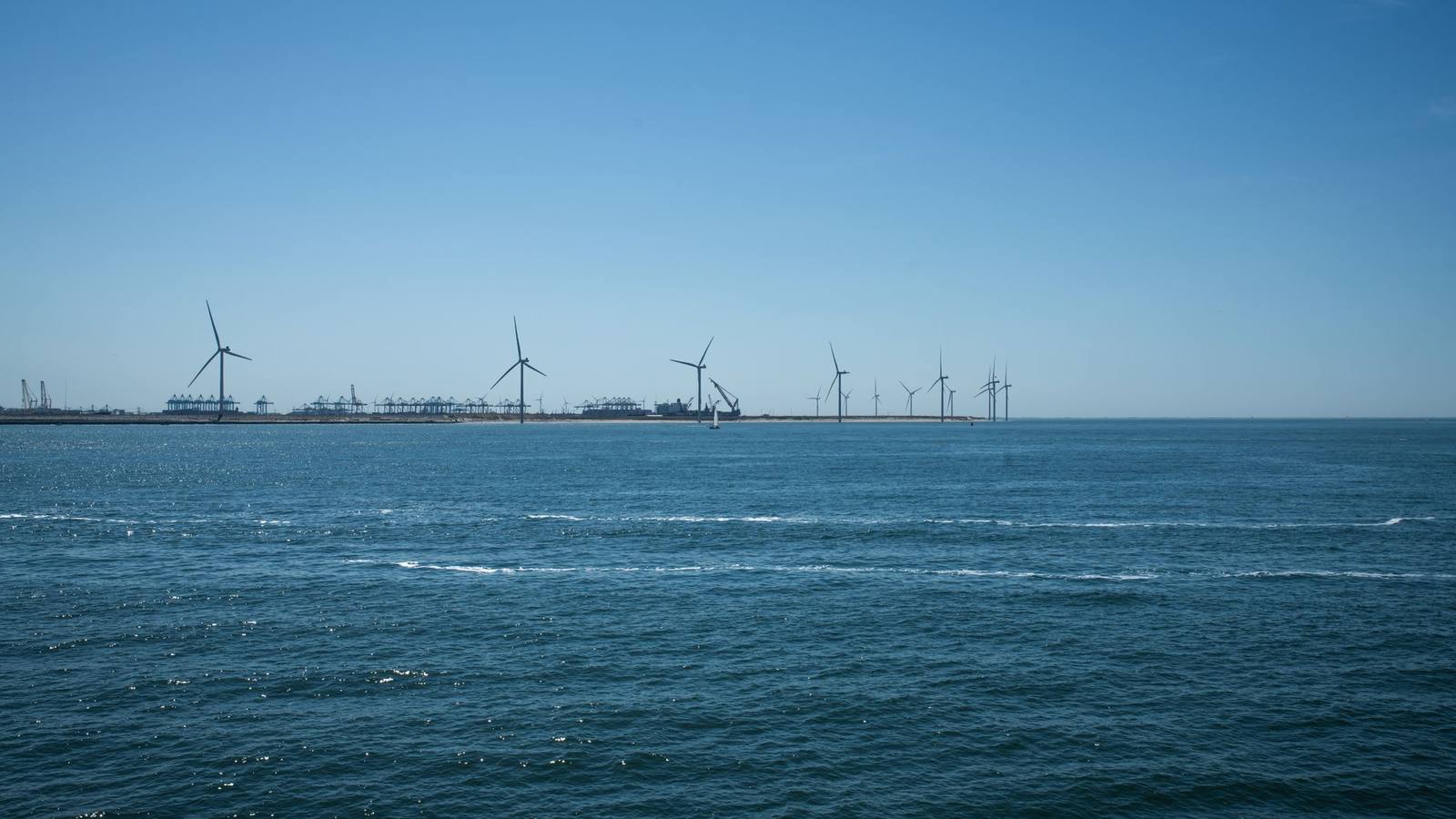
GWO training is the safety training that wind turbine owners and manufacturers expect before you climb a turbine. If you work in oil and gas and want to move into offshore wind, the core course is GWO Basic Safety Training (BST): first aid, manual handling, fire awareness, working at height and, for offshore work, sea survival. It is refreshed every two years and recorded in GWO’s WINDA database. Your OPITO certificates, such as BOSIET, show you know offshore life, but they are a different standard and do not replace GWO.
This guide explains GWO training modules, refreshers and records, how oil and gas skills carry over, and where wind turbine technician jobs are. Training rules and course versions change, so check GWO’s own pages before you book.
What GWO is
The Global Wind Organisation (GWO) is an industry body that writes training standards for the wind industry, and more recently for solar. GWO does not train people itself. Training providers must be certified by a GWO-approved certification body before they can deliver GWO courses (GWO). You can find certified providers with GWO’s training provider search.
GWO Basic Safety Training: the modules
GWO says Basic Safety Training gives you the knowledge and skills of first aid, working at height, manual handling, fire awareness and sea survival, so you can look after yourself and others and, in an emergency, evacuate, rescue and give first aid (GWO).
| BST module | What it covers | Needed for |
|---|---|---|
| First Aid | Recognising life-threatening situations and giving first aid in a turbine | Onshore and offshore |
| Manual Handling | Reducing the risk of musculoskeletal injury in turbine work | Onshore and offshore |
| Fire Awareness | Preventing fires, evacuating, using handheld extinguishers | Onshore and offshore |
| Working at Height | Using fall-protection equipment, working at height and basic rescue | Onshore and offshore |
| Sea Survival | Safe transfer from shore to vessel to turbine, and emergencies at sea | Offshore wind |
Each module has an initial course and a shorter refresher course. The current standard is BST version 20 (GWO).
GWO released updated standards in March 2026, and the six-month grace period ended on 10 September 2026. From that date, only the new and merged refresher standards apply for Basic Safety Training, Advanced Rescue Training, Control of Hazardous Energies and Enhanced First Aid (GWO). If you book a course now, check that it follows the current version.
GWO Basic Technical Training
Technicians usually also need Basic Technical Training (BTT). It prepares you for company-specific training with modules in mechanical, electrical and hydraulic basics, bolt tightening, mechanical and electrical installation, and a hazardous energies safety module (GWO). If you already work as a mechanical or electrical technician in oil and gas, the content will be familiar, but employers still look for the GWO record.
Visitors: Wind Limited Access
Engineers or managers who only visit turbines now and then may be allowed to take Wind Limited Access (WLA) instead of full BST. GWO says it is only for infrequent visitors, and the site’s duty holder decides when it is enough. The offshore module takes 7 hours (GWO Help Centre).
How long GWO certificates last
GWO says Basic Safety Training, Enhanced First Aid, Advanced Rescue Training and Control of Hazardous Energies must be refreshed every two years to stay valid (GWO Help Centre). The rules that matter:
- If you refresh before expiry, you take the shorter refresher course.
- If you let the certificate expire, you must take the full initial course again.
- You can refresh up to two months before expiry and keep your original date. Refresh earlier and the new course date becomes your certificate date (GWO Help Centre).
- If you start a refresher but do not finish it before the expiry date, you must take the full course.
WINDA: your training record
Before any GWO course you must create a profile in WINDA, GWO’s training database, and give your WINDA ID to the training provider. The provider uploads your record after the course. You should only ever have one profile, and it is the ID employers use to check your training. A printout of your record is not a certificate. If you do not log in for 48 months, your profile expires and GWO cannot restore the data (GWO). Bring government ID, such as a passport, to every course.
GWO training cost and medicals
GWO does not set course prices; each certified training provider does. Compare a few providers near you, and ask whether the price covers all five BST modules or only some. If you are moving between employers, ask whether your new employer pays: some employers book and pay for training for new hires.
GWO also does not set medical requirements. It says the employer decides which medical examinations you need, depending on the work (GWO Help Centre). For offshore work, ask the employer early which medical certificate it accepts.
From oil and gas to offshore wind: what transfers
The UK government’s Clean Energy Jobs Plan (October 2025) cites an estimate by Robert Gordon University that over 90% of the UK’s oil and gas workforce have skills with medium to high transferability to offshore renewables (Clean Energy Jobs Plan). The plan also says offshore wind is expected to triple in size.
Roles that move across most easily:
- Electrical and instrument technicians to wind turbine technician and high-voltage roles.
- Mechanical technicians to turbine maintenance and blade or drivetrain work.
- Marine and vessel crews to crew transfer vessels and service operation vessels.
- Project, construction and commissioning staff to offshore wind farm installation projects.
- HSE advisers to wind farm safety roles.
The UK Energy Skills Passport
The Energy Skills Passport is an industry-led tool overseen by RenewableUK and Offshore Energies UK, supported by the UK and Scottish governments. It helps workers from carbon-intensive industries see which of their skills and qualifications count in clean energy jobs. The first phase launched in January 2025, and the government plans to add more offshore and onshore wind roles (Clean Energy Jobs Plan). If you work in the UK North Sea, it is worth using before you pay for any course.
What does not transfer automatically
- OPITO certificates such as BOSIET, HUET and FOET are oil and gas standards. Wind employers ask for GWO BST, so plan to take GWO Sea Survival and the other modules even if you hold BOSIET. See our offshore safety certificates guide for what the OPITO courses cover.
- Employment terms. The UK plan notes gaps in employment protections for offshore renewable workers beyond UK territorial waters compared with oil and gas workers on the continental shelf, and the government intends to close them (Clean Energy Jobs Plan). Read your contract carefully.
Wind turbine technician jobs
Pay and outlook in the United States
The US Bureau of Labor Statistics says wind turbine technicians maintain and repair wind turbines, often outdoors and at great heights. In 2025 the median pay was $64,120 a year ($30.83 an hour), and there were about 11,800 jobs. Employment is projected to grow 30% from 2025 to 2035, much faster than average. The usual entry route is a postsecondary non-degree award, followed by long-term training from the employer or turbine maker (BLS).
Experienced oil and gas technicians often start above entry level, but expect to do the manufacturer’s own turbine training.
Where the jobs are on RigJobsDirect
On RigJobsDirect on 16 October 2026, wind employers with open jobs included:
| Employer | Open jobs | Page |
|---|---|---|
| Vestas | 287 | Vestas jobs |
| Nordex | 142 | Nordex jobs |
| Ørsted | 9 | Ørsted jobs |
Vestas, for example, was hiring in Chennai (SCADA engineering) and Kanchipuram (NDT technicians) that day, and Nordex had a grid engineer role in Melbourne. GE Vernova and Siemens Energy also hire for wind alongside other power work: see GE Vernova jobs and Siemens Energy jobs.
For offshore wind in Europe, look at Denmark (40 open energy jobs that day) and the United Kingdom (617). For electrical technician and engineer roles across all energy sectors, see electrical jobs.
A practical plan for switching
- List your tickets and their expiry dates: BOSIET or FOET, HUET, medicals, electrical or mechanical qualifications.
- Create your WINDA profile before you book anything.
- Ask target employers what they require. Many hire first and book GWO training for you.
- If you self-fund, start with BST. For offshore wind, include the Sea Survival module.
- Add BTT if you are going for technician roles.
- Apply directly to wind employers on their own career sites.
Frequently asked questions
What is GWO Basic Safety Training?
GWO BST is the wind industry’s standard safety training, made up of five modules: First Aid, Manual Handling, Fire Awareness, Working at Height and Sea Survival. Sea Survival is for offshore wind.
How long is GWO training valid?
Basic Safety Training must be refreshed every two years. You can refresh up to two months before expiry and keep your original date. If it expires, you take the full course again.
Does BOSIET count for offshore wind?
No. BOSIET is an OPITO oil and gas standard. Offshore wind employers ask for GWO Basic Safety Training, including GWO Sea Survival.
How much does GWO training cost?
GWO does not set prices; each certified training provider sets its own. Some wind employers pay for training for new hires, so ask before you pay.
Can I get a wind turbine technician job with no experience?
Yes, it is possible. BLS says the usual entry route is a postsecondary non-degree award followed by long-term on-the-job training. Electrical or mechanical experience from oil and gas helps a lot.