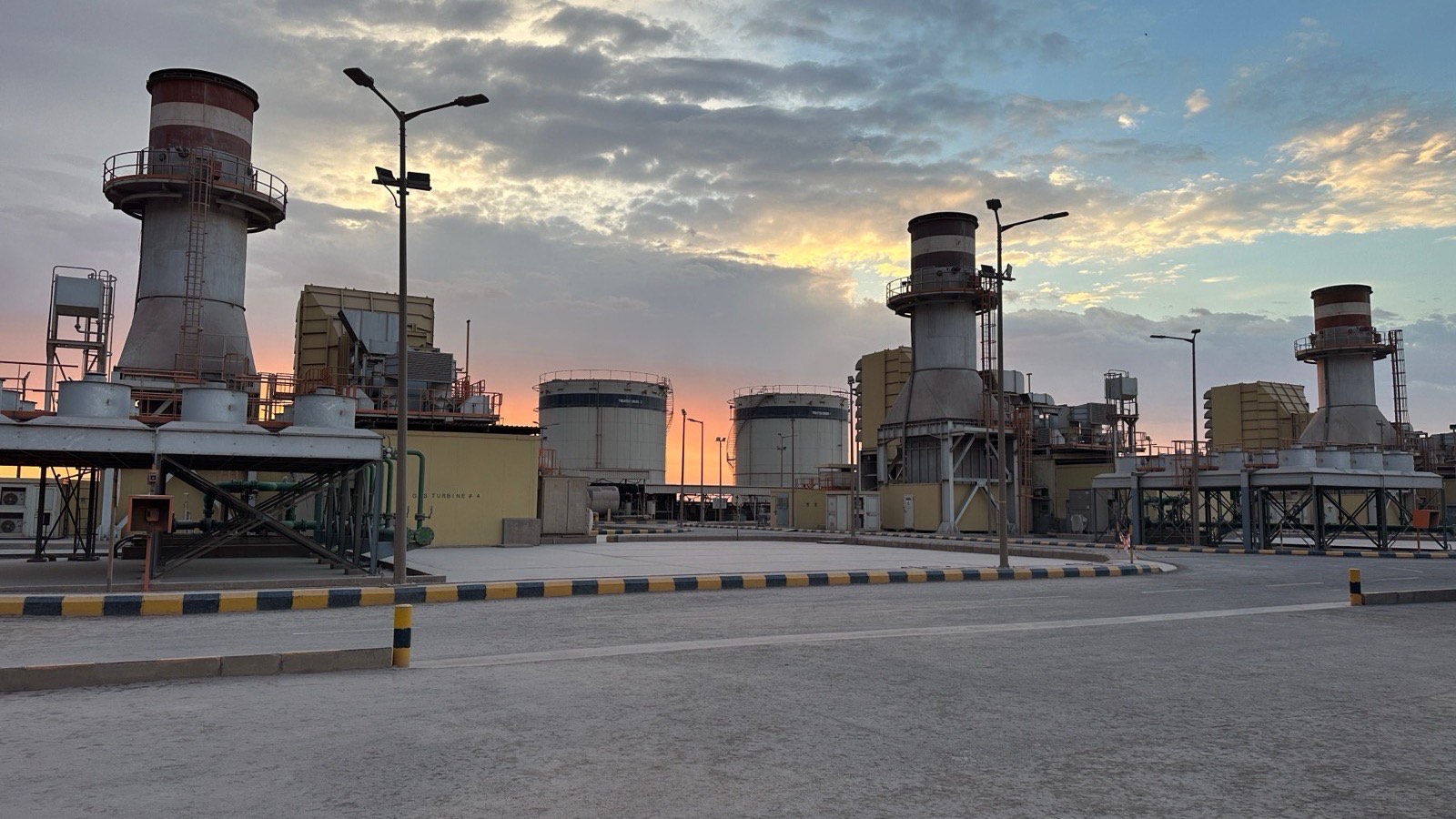
Saudi Arabia has many oil, gas and power jobs open to expats. If you get a job there, your employer arranges your visa and residence permit. But Saudi Arabia also has strong rules to increase the number of Saudi citizens in private-sector jobs. These rules decide whether a company can hire you at all.
This guide explains the visa steps, the iqama, and what Saudization means for energy jobs. Rules change often. Check the official links, and ask your employer before you resign from your current job or travel.
The basics: your employer sponsors you
Under the Saudi Labor Law, a non-Saudi may only work after getting a work permit from the Ministry of Human Resources and Social Development (HRSD). The worker must have entered the country legally and have a contract with an employer (Article 33 of the Labor Law). The contract for a non-Saudi must be written and for a fixed term (Article 37).
You may only work in the profession written on your work permit. Changing profession needs a legal process first (Article 38). This matters in energy jobs, where titles are specific. Check that the job title in your contract matches the work you will do.
Who pays the fees
The Labor Law says the employer pays (Article 40):
- the fees for recruiting non-Saudi workers
- the fees for issuing and renewing the iqama (residence permit) and work permit, and fines for late renewal
- the fees for changing profession and for exit and re-entry visas
- the return ticket to your home country at the end of the job
If someone asks you to pay these costs, ask why, and get it in writing. Our guide to avoiding recruitment scams explains the warning signs.
Step by step: from offer to iqama
- You accept a job offer and sign a contract.
- Your employer gets a work visa for you. Saudi employers manage visas, work permits and contracts through official platforms, including Qiwa, HRSD’s platform for labour services.
- You check your visa status. The Ministry of Foreign Affairs visa platform has a public inquiry service where you enter your application or visa number. Ask your employer for the number.
- You may need professional verification before you travel (see below).
- You travel to Saudi Arabia on your work visa.
- Your employer issues your work permit and iqama. The Ministry of Investment’s service guide lists what a new residence permit needs: your passport with the entry visa, a medical report and an electronic health insurance certificate sent to the General Directorate of Passports, applied for through the Absher or Muqeem platforms (MISA Investor Guide).
Processing times and current fee amounts are not published in one official place we could reach. Ask your employer how long each step usually takes.
Professional verification for expat workers
HRSD runs a Professional Accreditation programme to check the skills, experience and certificates of expat workers. HRSD says its “Professional Verification” service targets expat workers in high-skilled jobs and works in five countries: Pakistan, India, Bangladesh, Sri Lanka and Egypt. It is online and takes up to 15 working days. A separate “Professional Examination” service tests medium and low-skill workers with practical and theoretical tests, before or after they enter the country (HRSD).
If you are a technician or craftsman, such as an electrician, welder or mechanic, ask your employer or recruitment agent whether you need a test before you travel, and where to take it.
Engineers and technicians: Saudi Council of Engineers
HRSD says the engineering professions covered by its Saudization rules require professional accreditation from the Saudi Council of Engineers (SCE) (HRSD), and its manual for technical engineering professions says technicians must be accredited by the SCE (HRSD manual). If you are an engineer or technician, ask your employer about SCE registration early. Have your degree or diploma and experience letters ready.
Saudization: what Nitaqat means for you
Saudization means policies that increase the share of Saudi citizens in private-sector jobs. The Labor Law says all firms must work to attract and employ Saudis (Article 26), and the ministry may refuse to renew a work permit if the employer breaks Saudization rules (Article 35).
Nitaqat bands
The main tool is Nitaqat. HRSD’s guideline says each company is placed in one of five bands based on its share of Saudi employees: Red, Low Green, Medium Green, High Green and Platinum. The required share depends on the company’s economic activity and size. “Hydrocarbons and their processing” is one of the activities with its own rates (HRSD Nitaqat guideline).
The band decides what the company can do for expat workers:
| Band | New expat visas | Renew existing expat work permits | Transfer expat workers in from another employer |
|---|---|---|---|
| Platinum, High Green, Medium Green | Yes | Yes | Yes |
| Low Green | No | Yes | Not listed |
| Red | No | No | No |
Source: HRSD Nitaqat guideline. The guideline is from 2021 and set rates for the following years; the ministry reviews them, so check Qiwa for the current rules.
What this means for you: a company in the Red or Low Green band cannot get new expat visas. If a recruiter promises you a visa, ask whether the employer can issue it.
Saudization of engineering and technical jobs
On top of Nitaqat, HRSD sets targets for specific professions. Two matter for energy workers:
- Engineering professions: HRSD raised the Saudization rate to 30% for private employers with 5 or more workers in the covered engineering professions, from 30 June 2026. It covers 46 engineering professions (HRSD, July 2026). HRSD announced the decision in January 2026 (HRSD, January 2026).
- Technical engineering professions: a 2025 decision sets 30% Saudization for private employers with 5 or more workers in listed technician jobs, starting 27 July 2025. The list includes drilling technician, drilling rig mechanic, instrumentation technician, welding inspector, petroleum refining technician and power plant operator, among many others. The rule applies to the actual work, not only the job title (HRSD manual).
What this means for you: these rules do not ban expats. Up to 70% of the workers in these jobs can still be non-Saudi. But companies must plan their hiring, so expat roles may focus on experienced or specialist positions. Some ads are open to Saudi nationals only; those are not for you.
Changing jobs and travelling
Since 14 March 2021, under HRSD’s Labor Reform Initiative (HRSD):
- expat workers can move to a new employer when their contract ends, without the current employer’s consent
- they can request an exit and re-entry visa without the employer’s approval; the employer is notified electronically
- they can leave on a final exit visa after the contract ends, without the employer’s consent
Amendments to the Labor Law came into force on 19 February 2025. Among other things, they define resignation as a written request (King & Spalding). If you plan to change jobs, read your contract’s notice terms and check on Qiwa.
Frequently asked questions
Who pays for my Saudi work visa and iqama?
The Saudi Labor Law says the employer pays the recruitment fees, the fees for issuing and renewing the iqama and work permit, exit and re-entry visa fees, and the return ticket home at the end of the job (Article 40). Be careful if anyone asks you to pay them.
What is Nitaqat?
Nitaqat is Saudi Arabia’s main Saudization programme. It places each company in a band (Red, Low Green, Medium Green, High Green or Platinum) based on its share of Saudi workers. Companies in Red or Low Green cannot get new visas for expat workers.
Can expats still get engineering jobs in Saudi Arabia?
Yes. HRSD’s rules require 30% Saudization in covered engineering professions for companies with 5 or more such workers, and a similar 30% rule for listed technician jobs. The rest can be non-Saudi. Engineers also need accreditation from the Saudi Council of Engineers.
Can I change employers in Saudi Arabia?
Since March 2021, expat workers can move to a new employer when their contract ends without the current employer’s consent. Check your contract and Qiwa before you resign.